
In an era characterised by heightened awareness of climate change and environmental degradation, sustainable home design has become paramount. This discussion examines innovative concepts that not only enhance the aesthetic appeal and functionality of living spaces but also prioritise the health of the planet for future generations. By utilising eco-friendly materials and integrating energy-efficient features, this exploration addresses the challenges homeowners encounter in adopting sustainable practices and offers strategies to overcome these obstacles. Practical recommendations are provided for incorporating sustainable elements into residential design, encouraging participation in the movement towards a more responsible and environmentally conscious lifestyle.
The Importance of Sustainable Home Designs
Sustainable home designs are integral to addressing the urgent environmental challenges of our era. By incorporating principles of sustainable architecture, utilising eco-friendly materials, and employing innovative design strategies, these residences substantially reduce carbon footprints while promoting energy efficiency and environmental sustainability.
Such designs not only improve the quality of life for current residents but also contribute to a healthier planet for future generations. Given climate change and resource depletion, prioritising sustainable practices in home construction and renovation is essential for fostering eco-conscious living and enhancing community resilience.
Impact on the Environment and Future Generations
The impact of sustainable home designs on the environment is significant and multifaceted, influencing climate resilience, habitat preservation, and biodiversity conservation. By incorporating renewable energy sources and eco-friendly materials, these homes contribute to the reduction of greenhouse gas emissions and facilitate the development of sustainable communities.
The careful integration of design principles ensures that future generations inherit a healthier planet, characterised by responsible management of natural resources and the preservation of ecosystems.
Such designs prioritise not only energy efficiency but also water conservation, effectively alleviating stress on local ecosystems. The implementation of green roofs and natural landscaping promotes biodiversity, providing essential habitats for local wildlife.
By creating spaces that are seamlessly connected to their environments, sustainable homes play a crucial role in combating climate change, enabling communities to adapt to increasingly unpredictable weather patterns.
Ultimately, this holistic approach advances the vision of thriving ecosystems coexisting with human habitation, ensuring that the delicate balance between development and nature is preserved for the well-being of future generations.
Innovative Design Concepts for Sustainable Homes
Innovative design concepts play a crucial role in the development of sustainable homes that integrate seamlessly with their environment while optimising energy efficiency and occupant comfort.
Eco-friendly residences that incorporate passive solar design and natural ventilation significantly diminish dependence on mechanical heating and cooling systems.
Additionally, they promote a connection with nature through biophilic design principles. These strategies are essential in creating living spaces that are not only functional but also enhance well-being and sustainability.
Eco-friendly Materials and Energy-efficient Features
The selection of eco-friendly materials and energy-efficient features is crucial in the design and construction of sustainable homes. The use of green building materials and low-carbon options not only minimizes environmental impact but also enhances the durability and aesthetic appeal of a residence.
Moreover, integrating energy-efficient appliances and smart home technology significantly improves resource efficiency, ensuring that modern homes support eco-conscious living without compromising comfort or style.
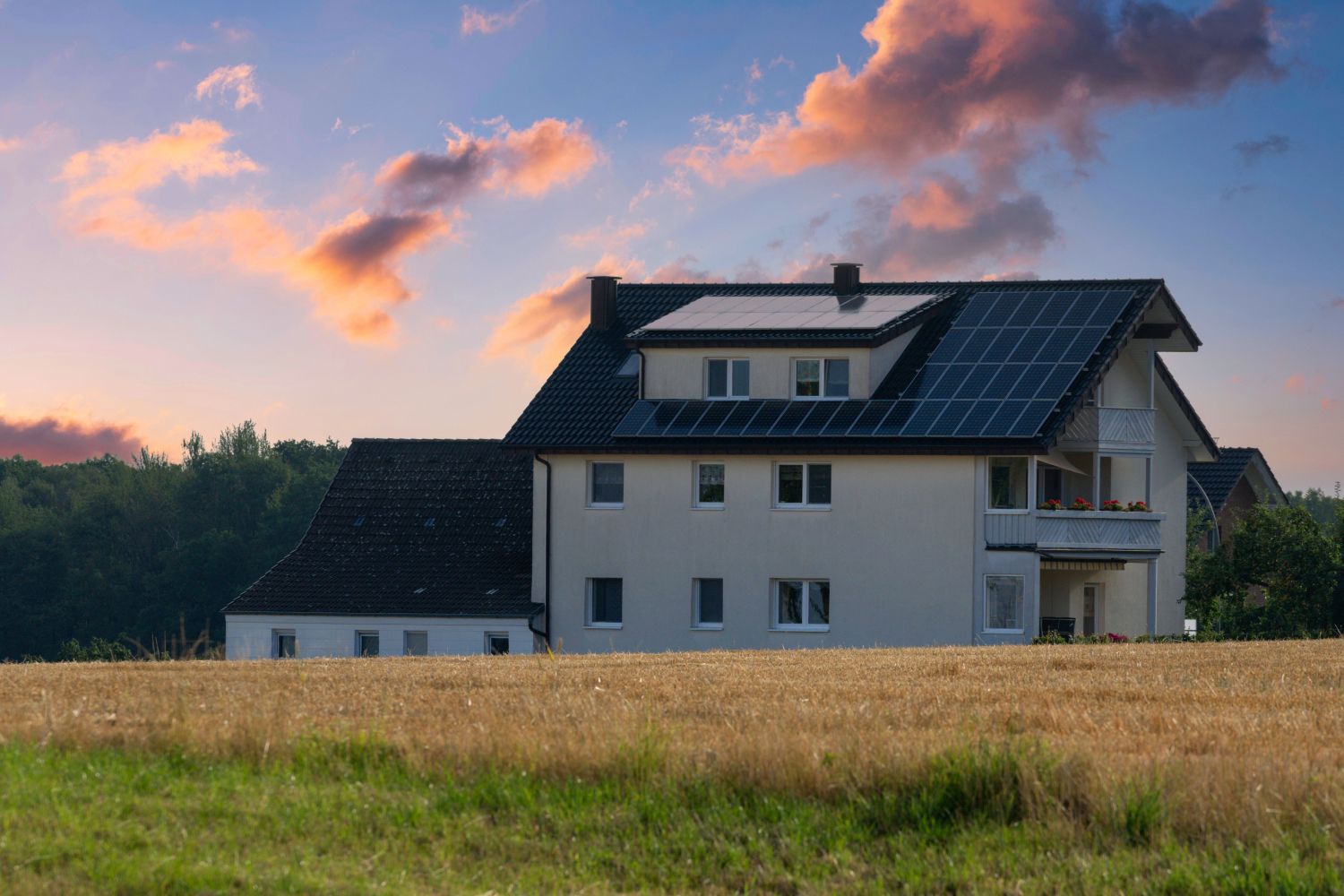
Incorporating materials such as reclaimed wood, bamboo, or recycled metal not only contributes to environmental conservation but also adds distinct character to each space. Energy-efficient systems, including solar panels and high-efficiency HVAC units, considerably reduce utility costs while decreasing reliance on fossil fuels.
Additionally, smart home technology facilitates improved management of energy consumption through automated controls, enabling residents to maintain a comfortable climate in an efficient manner.
Collectively, these components foster an environment that aligns with sustainable practices and promotes healthier living spaces for both inhabitants and the planet.
Challenges and Solutions for Implementing Sustainable Home Designs
The implementation of sustainable home designs entails various challenges, including initial costs, regulatory obstacles, and the necessity for community engagement in sustainable practices.
Although the initial investments in environmentally friendly materials and technologies may be higher, the long-term advantages, such as reduced energy costs and a diminished ecological footprint, can outweigh these initial costs.
Furthermore, effectively navigating regulations and promoting community support are crucial for overcoming barriers to sustainable transport and waste reduction initiatives within neighbourhoods.
Cost, Regulations, and Community Support
Addressing the financial and regulatory dimensions of sustainable home designs is essential for promoting carbon-neutral construction and fostering social responsibility within communities. Although initial investments may appear substantial, implementing energy conservation strategies and adopting sustainable technologies can result in considerable long-term savings.
Active community engagement and support are critical in advocating for policies that facilitate the adoption of sustainable design and enhance awareness of the associated long-term benefits.
In many cases, community members can collaborate to advocate for incentives, tax relief, or grants that alleviate these costs, thereby making sustainable options more accessible to a broader audience. Cultivating relationships with local builders and suppliers can also foster collaborations that drive innovation in eco-friendly construction practices.
As residents become increasingly involved in sustainability initiatives, they contribute not only to a collective reduction in carbon footprints but also to a heightened sense of pride and responsibility towards their environment.
Ultimately, by advocating for sustainable home designs, neighbourhoods can evolve into vibrant communities that embody shared values of resilience and ecological awareness.
How Homeowners Can Prioritise Planet Over Profit
Homeowners play a crucial role in prioritizing environmental sustainability over profit by adopting ethical consumption practices and embracing eco-friendly principles in their daily lives.
By deliberately choosing sustainable practices and being mindful of resource efficiency, individuals can make meaningful contributions to climate action and the overall health of the environment.
Minor adjustments, such as selecting energy-efficient appliances or implementing sustainable landscaping techniques, can collectively result in a significant positive impact on ecological well-being.
Practical Tips for Incorporating Sustainable Elements in Home Design
Incorporating sustainable elements into home design can be effectively achieved through practical strategies that enhance functionality while promoting environmental responsibility. Key approaches include the implementation of sustainable landscaping techniques, optimisation of smart energy management systems, and prioritisation of water conservation, all of which are essential steps towards the creation of zero-energy homes.
Features such as living green roofs not only enhance insulation and biodiversity but also contribute positively to the overall aesthetic appeal of residential properties.
Homeowners may begin by adopting xeriscaping, which employs drought-resistant plants to reduce water consumption while maintaining a vibrant landscape. Additionally, integrating rainwater harvesting systems can provide a sustainable source of water for irrigation and other household needs.
Regarding energy management, the installation of programmable thermostats and solar panels can lead to significant reductions in energy bills and carbon footprints.
Successful examples of these implementations can be found in neighbourhoods that have embraced community gardens and renewable energy sources, thereby fostering a collective commitment to sustainability and inspiring others to adopt similar practices.
By concentrating on these practical strategies, homeowners can enhance their living environments while simultaneously making a positive impact on the planet.