Home design extends beyond mere aesthetics; it significantly influences our lifestyles and overall well-being. As we approach 2025, emerging trends are redefining our perspectives on living spaces. The future of home design encompasses various elements, including sustainability, smart technologies, wellness-focused environments, and inclusive designs. It is not solely concerned with beauty but also prioritises functionality and health. It is essential to examine how these trends can enhance one’s home and enrich daily life, resulting in spaces that genuinely reflect individual values and needs.
Explanation of the Importance of Home Design
Home design plays a critical role in shaping daily experiences, influencing emotional connections to the spaces individuals inhabit, and reflecting lifestyle transformations.
As we approach 2025, current trends indicate a shift towards designs that emphasise comfort, personal expression, and the integration of functional aesthetics. A meticulously planned home design can significantly enhance overall quality of life, providing a sanctuary that meets individual needs, desires, and aspirations, while also considering the principles of environmental impact and sustainability.
By incorporating contemporary styles and sustainable materials, individuals can establish distinctive living environments that authentically represent their personal identities. For example, utilising reclaimed wood or recycled metals not only promotes environmental responsibility but also infuses modern interiors with a sense of history and authenticity.
Open plan layouts encourage social interactions, while cosy nooks provide spaces for quiet reflection, illustrating how thoughtful design can contribute to emotional well-being.
Ultimately, each element of home design plays a vital role in fostering a transformative lifestyle, encouraging mindfulness, creativity, and a deeper connection to one’s surroundings.
Sustainability in Home Design
Sustainability in home design has emerged as a critical consideration for both homeowners and architects, encompassing the use of sustainable materials and environmentally friendly practices to develop eco-conscious living spaces.
By integrating sustainable architecture with innovative design solutions, it is possible to significantly reduce environmental impact while simultaneously enhancing the aesthetic value of residences.
As we approach 2025, the emphasis is placed on future-proofing homes to ensure they address the evolving needs of occupants and the planet, thereby achieving a harmonious balance between comfort and environmental responsibility.
Incorporating Eco-Friendly Features
Incorporating eco-friendly features into home design is essential for creating spaces that promote energy efficiency and sustainability, aligning with the needs of modern homeowners.
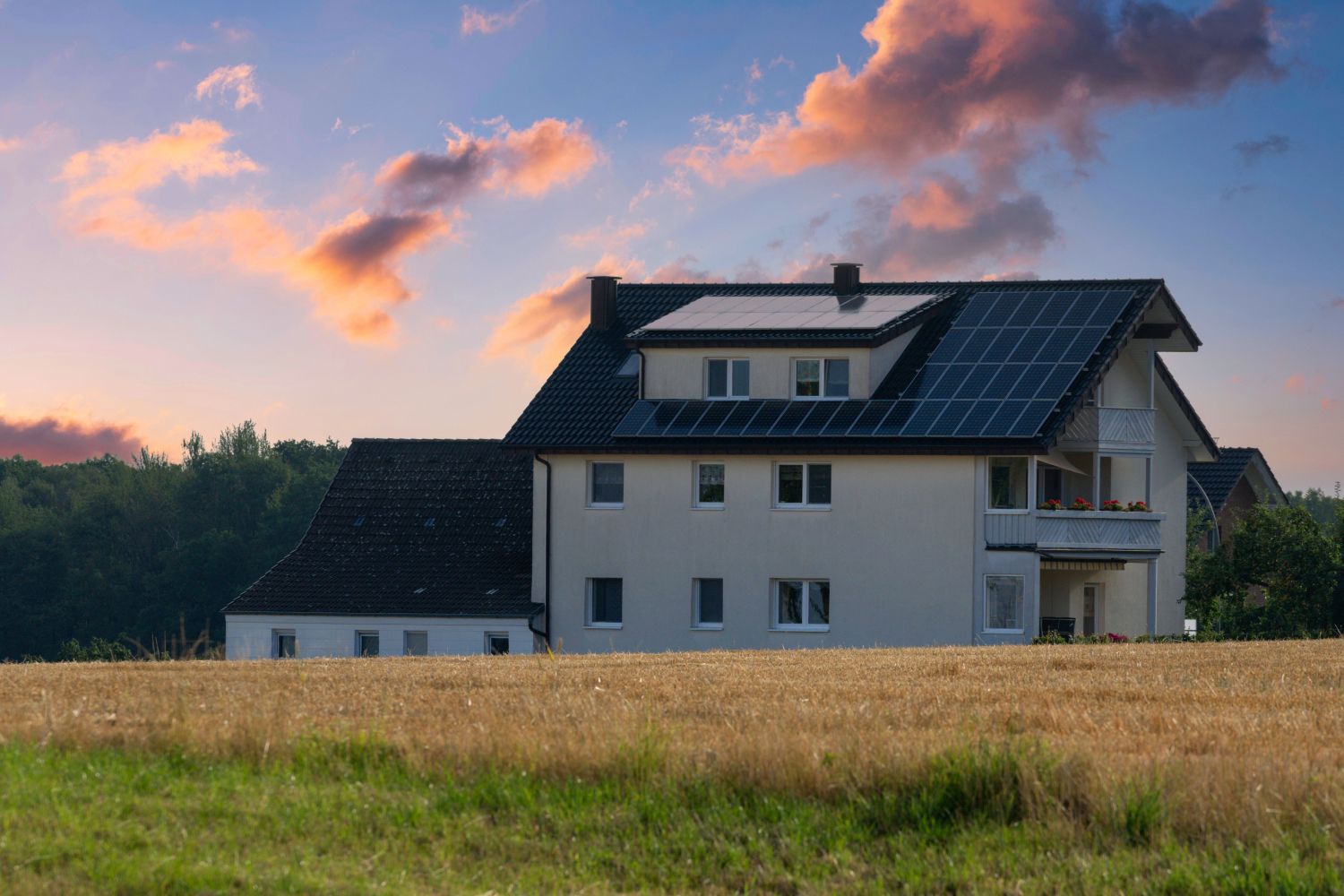
Among these features, the installation of solar panels serves as a significant method for harnessing renewable energy, effectively reducing electricity costs while lessening dependence on fossil fuels.
Additionally, utilising materials such as bamboo flooring and recycled glass worktops not only enhances the aesthetic appeal of contemporary designs but also contributes to diminished waste and lower emissions during the production process.
The implementation of smart lighting systems that adjust according to natural light levels can further optimise energy consumption, demonstrating the important role of technology in sustainable practices.
By prioritising these eco-friendly elements, residents are not only improving their quality of life but also playing an essential role in promoting environmental responsibility.
Technology and Smart Homes
The emergence of smart home technology has fundamentally transformed the design and interaction within residential spaces, establishing home automation as a crucial element of modern home design.
As we anticipate trends for 2025, the incorporation of technology in homes not only improves convenience but also significantly enhances energy efficiency and overall comfort.
From smart appliances to remote work configurations, technology is intricately integrated into daily routines, facilitating a more adaptable and responsive living environment that caters to the diverse needs of its inhabitants.
Integration of Technology in Home Design
The integration of technology in home design entails the utilisation of smart appliances and home automation solutions to create environments that prioritise comfort, efficiency, and user-friendly experiences. This trend reflects a growing focus on space optimisation, wherein technology enhances the functionality of each room while promoting ergonomic furniture choices tailored to diverse lifestyles.
Through the adoption of innovative designs that incorporate technology, homeowners can achieve a harmonious balance between aesthetics and functionality.
Smart technology can considerably enhance the living experience by providing features such as remote control capabilities and energy management systems. These advancements not only contribute to reduced energy consumption but also facilitate customised comfort settings, allowing for adjustments in lighting and climate based on individual preferences.
The implementation of home automation can streamline daily routines, enabling the seamless integration of tasks, which is particularly advantageous for individuals with demanding lifestyles. By merging technology with thoughtful design, homes can optimise space and promote well-being, ensuring that every aspect contributes to a more organised and enjoyable living environment.
Wellness and Mental Health in Home Design
Wellness and mental health have become essential considerations in home design, as the environments we inhabit directly affect our overall well-being and emotional connection to these spaces.
By 2025, the trend of designing homes as sanctuaries underscores an increasing recognition of the importance of creating environments that promote relaxation, mindfulness, and a sense of belonging.
The integration of wellness features, including natural lighting, indoor-outdoor living, and designated relaxation areas, can substantially improve the quality of life and mental health of residents.
Creating Spaces for Relaxation and Wellbeing
Creating spaces dedicated to relaxation and well-being is a fundamental aspect of contemporary home design. Such areas provide individuals with opportunities to unwind, recharge, and cultivate mindfulness amid the demands of modern life.
Thoughtfully designed relaxation spaces incorporate sensory design elements that foster cosy aesthetics, thereby promoting emotional comfort and tranquillity. By prioritising these areas within residential environments, individuals can develop settings that enhance overall well-being and offer a refuge from the stresses of daily life.
Integrating features such as soft lighting, natural materials, and comfortable furniture can transform these spaces into true sanctuaries. For instance, the application of warm, ambient lighting can evoke a sense of calm, while the use of plush textiles in soothing colours can promote comfort and relaxation.
Incorporating elements such as indoor plants not only enhances the aesthetic appeal of these areas but also improves air quality, fostering a connection with nature. Additionally, including dedicated nooks for activities such as reading or meditation can encourage deeper relaxation and mindfulness, thereby supporting a more balanced lifestyle.
Flexible and Multi-functional Spaces
Flexible and multi-functional spaces are increasingly essential in contemporary home design, catering to the diverse needs of families and individuals in a rapidly evolving society.
As we approach 2025, the focus on adaptability in design is evident in the development of spaces that can serve multiple functions, allowing homeowners to optimise their living areas and effectively respond to changing family dynamics and lifestyle requirements.
These innovative designs promote seamless transitions between work, relaxation, and social activities, thereby enhancing the overall living experience.
Maximising Space and Functionality
Maximising space and functionality is fundamental to effective home design, as homeowners seek solutions that enhance their living experience while accommodating diverse needs. The use of modular and ergonomic furniture facilitates greater design flexibility, allowing spaces to be easily transformed for various functions.
By implementing innovative design strategies that prioritise space optimisation, homeowners can achieve a harmonious balance of aesthetic appeal and practicality within their residences.
Investing in modular pieces, such as convertible sofas or nesting tables, creates numerous opportunities for reconfiguring a room to accommodate different activities, ranging from entertaining guests to enjoying quiet family time.
Ergonomic furniture enhances comfort, ensuring that each area is not only visually appealing but also supportive for its users, thereby promoting well-being and reducing physical strain.
Incorporating multi-functional storage solutions contributes to the elimination of clutter while providing convenient access to essentials, resulting in a more organised and inviting atmosphere. Ultimately, these design elements significantly enhance a living environment that is both efficient and enjoyable, fostering relaxation and productivity.
Inclusive and Universal Design
Inclusive and universal design principles are vital in developing residential spaces that accommodate the diverse needs of all occupants, thereby promoting accessibility and comfort for individuals of varying ages and abilities.
The emphasis on designing for all ages in 2025 signifies an increasing dedication to environmental sustainability and social responsibility, ensuring that spaces are not only visually appealing but also functional and safe for everyone.
By implementing mobility-friendly design solutions, it is possible to create environments that foster independence and improve the overall quality of life for all residents.
Designing for All Ages and Abilities
Designing for individuals of all ages and abilities is a fundamental aspect of creating inclusive living environments that prioritise safety, accessibility, and comfort for every resident.
This approach involves the integration of mobility-friendly design elements, ergonomic considerations, and carefully planned layouts that address diverse needs while maintaining aesthetic appeal.
For example, the incorporation of features such as:
- Zero-step entries
- Wide doorways
- Lever-style handles
can significantly enhance mobility for individuals using wheelchairs or walking aids. Additionally, adjustable work surfaces and accessible storage solutions facilitate daily tasks for individuals of varying heights and abilities.
When spaces are thoughtfully organised with clear pathways and appropriate lighting, they not only enhance functionality but also promote independence and a sense of give the power toment among residents.
Ultimately, these design choices contribute to a more inclusive and harmonious living environment where all individuals can thrive.