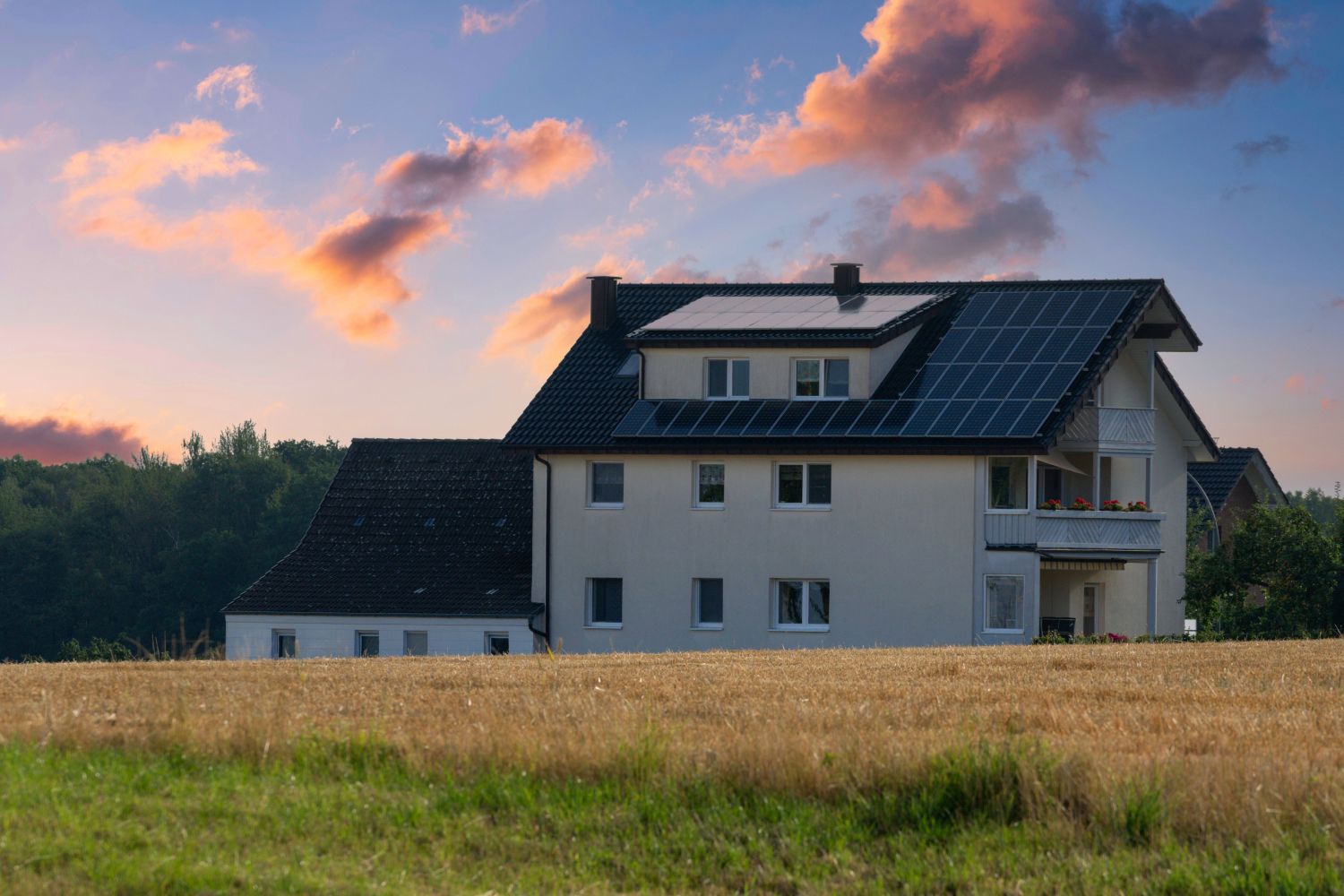

Transforming Hua Hin’s Urban Landscape Through Exemplary Architectural Innovation
The dynamic growth of Hua Hin as a thriving urban center is closely linked to the evolution of its architectural landscape. Exploring the role of architecture hua hin reveals insightful intersections between design excellence, urban planning, and sustainable development. This article delves into the exemplary architectural projects that have not only shaped Hua Hin’s skyline but also fueled its urban growth, reflecting modern innovations and regional identity harmoniously combined.
Architectural Influence on Urban Growth Patterns in Hua Hin
Architecture serves as a cornerstone for urban development, influencing how cities expand and organize their spatial dynamics. In Hua Hin, architecture hua hin projects have strategically integrated functional design and cultural elements, promoting both aesthetic appeal and economic vitality. The city’s urban growth is supported by architectural endeavors that balance new development with preserving local identity, fostering a sustainable urban ecosystem.
The integration of mixed-use developments, public spaces, and eco-conscious materials in Hua Hin’s architectural projects enables efficient land use while enhancing community engagement. This approach aligns with internationally accepted standards such as those advocated by the Urban Land Institute and LEED certification principles, which emphasize sustainability and livability.
Key Characteristics of Exemplary Architectural Projects in Hua Hin
Understanding the defining features of successful architecture hua hin projects requires attention to several technical and design parameters that drive their impact on the city’s urban fabric:
- Contextual Sensitivity: Projects respect the coastal environment and local cultural heritage, integrating traditional Thai architectural motifs with contemporary design techniques.
- Material Innovation: Utilization of sustainable materials such as locally sourced hardwoods, energy-efficient glass, and recycled composites reduces environmental footprint and enhances durability.
- Spatial Efficiency: Thoughtful planning optimizes density and accessibility, promoting walkability and convenient public transport linkage.
- Environmental Responsiveness: Incorporation of passive cooling strategies, green roofs, and natural ventilation systems help mitigate tropical heat and reduce energy consumption.
- Technological Integration: Smart building systems improve user comfort and energy management, reflecting cutting-edge architectural practices.
Noteworthy Architectural Projects Shaping Hua Hin’s Urban Identity
Several landmark developments exemplify the architectural innovation driving Hua Hin’s urban emergence. These projects embody a synthesis of advanced design principles with socio-economic objectives, setting benchmarks for future urban expansions:
- Mixed-Use Waterfront Complexes: Combining commercial, residential, and leisure spaces, these complexes capitalize on the city’s coastal location, promoting economic growth while providing vibrant community hubs.
- Cultural Centers and Public Infrastructure: Architecturally distinct civic buildings contribute to Hua Hin’s cultural narrative and enhance public accessibility to services and recreational spaces.
- Eco-Resort Developments: Resorts designed with strict adherence to environmental stewardship exemplify how architecture hua hin can support the tourism sector sustainably.
- Residential Innovations: Incorporating modular construction and green building certifications, these housing projects address urban population growth responsibly and efficiently.
Technical Insights into Sustainable Building Practices in Hua Hin
The application of sustainable architectural techniques is fundamental to Hua Hin’s ongoing urban development. Key technical approaches employed include:
- Thermal Comfort Design: Orientation of buildings to maximize natural shading and breeze flows reduces reliance on air conditioning systems.
- Water Conservation Systems: Rainwater harvesting and greywater recycling are integrated into building infrastructures to reduce urban water demand.
- Energy Efficiency: Use of photovoltaic panels and high-performance insulation materials aligns with global energy reduction targets.
- Durability and Maintenance: Selection of materials with high resistance to humidity and salt air ensures long-term structural integrity in the coastal climate.
These technical aspects exemplify how architecture hua hin projects are embedded within a framework of responsible urban development, combining innovation with practical environmental considerations.
Future Trajectories: Architecture’s Role in Hua Hin’s Sustainable Urban Expansion
Looking ahead, architecture hua hin is expected to continue playing a pivotal role in guiding the city’s urban trajectory. Emphasis on smart city concepts, renewable energy integration, and adaptive reuse of existing structures will drive future projects. This forward-thinking approach supports both economic prosperity and environmental stewardship, ensuring Hua Hin’s growth remains balanced and resilient.
Emerging trends also suggest an increased focus on community-centric designs, where participatory planning and social inclusion become integral to architectural development. Such trends highlight architecture’s capacity not only to construct physical spaces but also to foster social cohesion and cultural identity.
Highlights of Architectural Contributions to Hua Hin’s Urban Dynamics
- Facilitation of Economic Growth: Architectural projects stimulate local economies through tourism, commerce, and real estate.
- Enhancement of Social Spaces: Thoughtful urban design improves public interaction and well-being.
- Promotion of Environmental Sustainability: Innovative building methods conserve resources and minimize ecological impact.
- Preservation of Cultural Identity: Integration of traditional and modern elements sustains Hua Hin’s unique character.
These facets collectively affirm the integral role of architecture hua hin in shaping a vibrant, sustainable, and forward-looking urban environment.
Engagement with contemporary architectural standards and sustainable building practices positions Hua Hin as a model for urban growth in coastal regions. Such progress reflects a matured understanding that architecture is central not only to physical infrastructure but also to fostering dynamic, resilient communities.
For deeper exploration of innovative urban design and architectural trends specific to this region, further examination into architecture hua hin offers valuable insights that complement broader urban development discourse.
In summary, examining exemplary architectural projects reveals their significant contribution to Hua Hin’s urban growth by integrating cultural relevance, sustainability, and technological advancement. This synergy supports the city’s evolution into a modern coastal hub while honoring its distinctive heritage.
To connect with more detailed knowledge and case studies that articulate the nuances of architecture hua hin, it is beneficial to refer to authoritative sources that document regional design evolution and urban strategies.
Further aspects of this ongoing transformation are well represented in projects that adhere to international best practices, fostering a resilient and inspiring urban future for Hua Hin through architecture hua hin.
This comprehensive perspective underscores how innovative architectural developments remain essential drivers of Hua Hin’s urban growth in the contemporary era, intertwining functionality, identity, and sustainability.
For a thorough understanding and latest developments in the field, additional research into architecture hua hin by specialized entities and professional forums enriches the overall grasp of this dynamic sector.
Therefore, the trajectory of Hua Hin’s urban expansion continues to be shaped by architecture hua hin, reflecting both local distinctiveness and global architectural advancements.
With its focus on innovation and culture, architecture hua hin stands as a fundamental pillar supporting the city’s promising urban future.
The evolving architectural landscape will maintain its key role in driving Hua Hin’s transformation into a sustainable and thriving urban destination, simultaneously preserving its rich heritage.
For those interested in exploring further technical and design insights, extensive resources are available detailing the progressive nature of architecture hua hin and its influence on the city’s development.